

Hook
The French executioner has performed his office with style. Queen Anne Boleyn is now dead by beheading. King Henry VIII marries Jane Seymour to continue his quest for a male heir to the throne of England. The king’s councilor Thomas Cromwell continues to rise in power. Mingling with kings brings power and fame, but fame and power come with the danger of playing with fire.

Book Summary
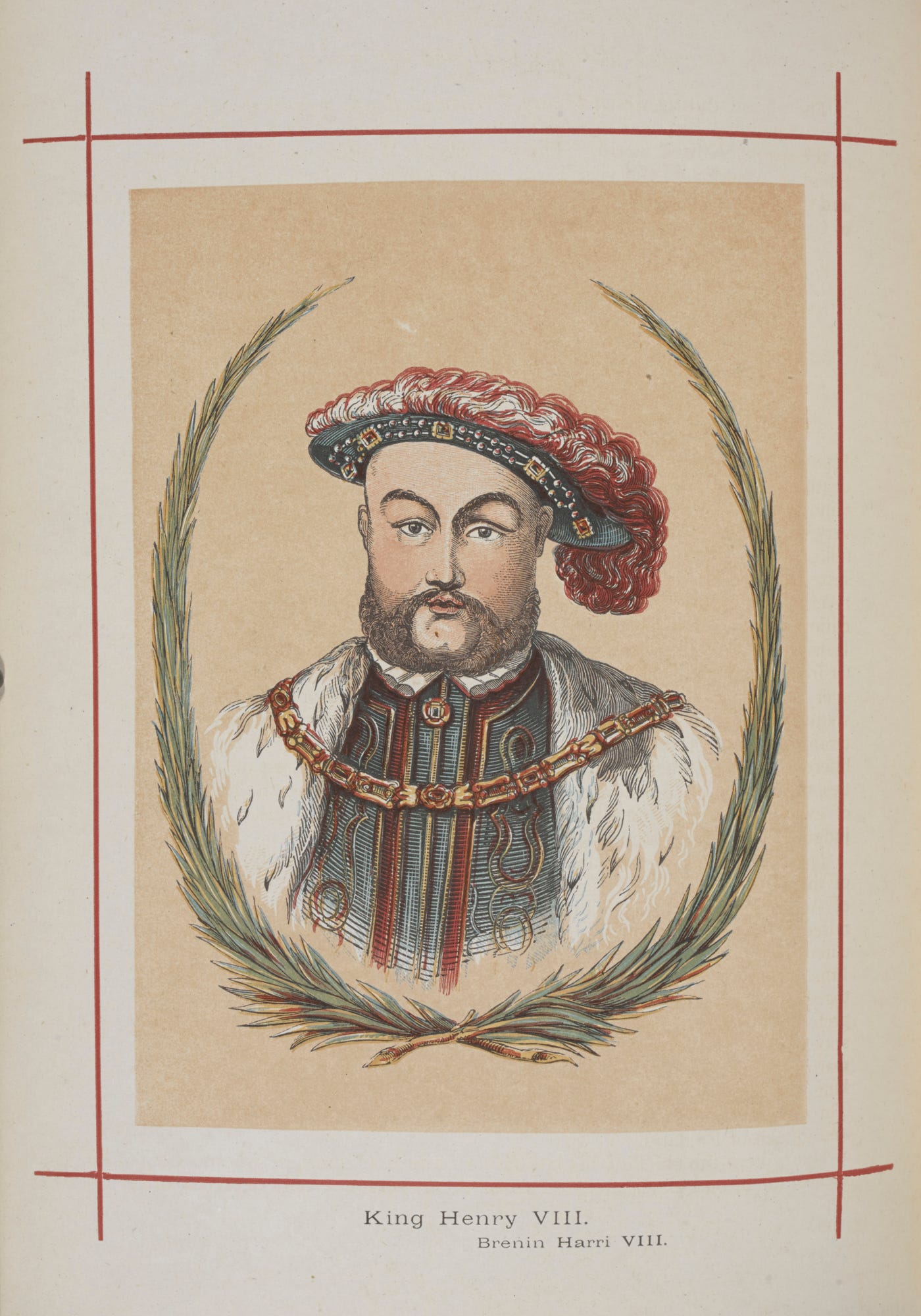
King Henry VIII – Source British Library
May 1536: London is still processing and trying to recover from what they had never seen before in England: Queen Anne Boleyn is dead. Executed by beheading. Her remains stuffed in an arrow chest and buried in the chapel by her brother George Boleyn (Lord Rochford) who is also accused of having committed adultery with her.
People said in two years Cromwell has wreaked on his late master, Cardinal Wolsey’s enemies. Thomas More, the Queen and her lovers and everyone who slighted Wolsey. But the king being the greatest enemy of Wolsey, people asked what revenge will Cromwell seek on his sovereign, his prince, when chances serve?
Power Struggle over who should rule England
Cromwell now saw himself like a Damascene cat who had climbed up the stars. He has travelled so far to get there. And nothing people do or say disturbs him nor disquiet him high on his branch.
The king’s new family now ranks with the Seymours, the Howards, the Talbots, the Percys, and the Courtenays. But to Cromwell, they will need to count with the Cromwells – father, son, nephew, of ancient family too. Because as the saying goes When Adam delved and Eve span, who were then the gentlemen? When the Cromwells stroll out, the gentlemen of England get out of their way.
King Henry’s three children are now bastards. The courtiers are divided over who should inherit the throne and every family wants Cromwell to side with them.
On one side, Thomas Howard, Duke of Norfolk wants Richmond (the king’s illegitimate son) to be named heir because he is his son-in-law. This will put all England under his thumb.
On the other side, the old families of England: the Courtenay family, the Marquis of Exeter, the Pole family are the nearest families to the throne: the king’s daughter Mary represents their interests. They are papists as well.
In truth, there was a bargain between Cromwell and the Carews: To them they are of the Princess Mary’s side; the king’s bastard daughter. She became a bastard after the annulment of the marriage between the king and her mother the late queen Catherine. The agreement between Cromwell and the old families was to help them remove Anne Boleyn, and afterward, if Cromwell grovels to them and serve them, then they refrain from ruining him. But Cromwell’s version was different: He understood that the Carew family helps remove Anne Boleyn and…and nothing. Will that work?
Bleak prospects for the succession to the throne
The king who was restless said: Crumb what if some accident befalls? I could die tomorrow; I cannot leave my kingdom to my daughter or my son. Neither of them born in wedlock.
Cromwell responded to the king: I will urge his Majesty to trust in God and use your best endeavors to get a son of your marriage. In the interim, we can make an instrument allowing your Majesty to name a successor at your pleasure. And you need not reveal your choice.
Margaret Pole (from the Pole family, pretendant to throne) issued a stark warning to Cromwell:
Margaret advised Cromwell to keep his ambitions in check:
You are not afraid when you should be afraid. You are like someone who has loaded the dice. You are playing with the greatest man in the land. You have Henry’s favors. But if he withdraws it, you’ll suffer death as your late master Cardinal Wolsey. You have certain friends, no doubt, but no affinity, nor great family at your back. You are a blacksmith’s son. Your whole life depends on the next beat of Henry’s heart and your future on his smile or frown.
Do not join battle with the noble families of England. You have lost before you ride out. Who are you? You are one man. Who follows you? Only carrion crows, bone-pickers.
Do not stop moving, or they will eat you alive. He who climbs higher than he should, falls lower than he would.
The reconciliation of Lady Mary the king’s daughter with the king
Now that Anne is gone, the conditions for Mary the king’s daughter to regain her father’s good grace are met. Cromwell sends a letter to Mary and asks her to sign. It reads: I do recognize, accept, take repute and acknowledge the king’s highness to be supreme head, under Christ, of the church of England. I do freely, frankly recognize and acknowledge that the marriage formerly had between his majesty and my mother was by God’s law and man’s law incestuous and unlawful. Therefore, I put my soul under your direction and commit my body to your mercy.
The days has been long in coming: the evening dove-like: orations, mutual courtesies, promises and blessings. Lady Mary’s wobbling curtsey. The king face flashes as he crosses the room to sweep her up. Her sniffling and whimpering as she grips to the king’s gold jacket. His gasp, his sob, his broken endearments and the hot tears that spring from his eyes. Jane the queen removes a jewel from her finger and says: Here wear this. Mary juggles with the vast diamond ring. The servants wait, kneeling for the royal party to pass.
Cromwell continues to rise in power
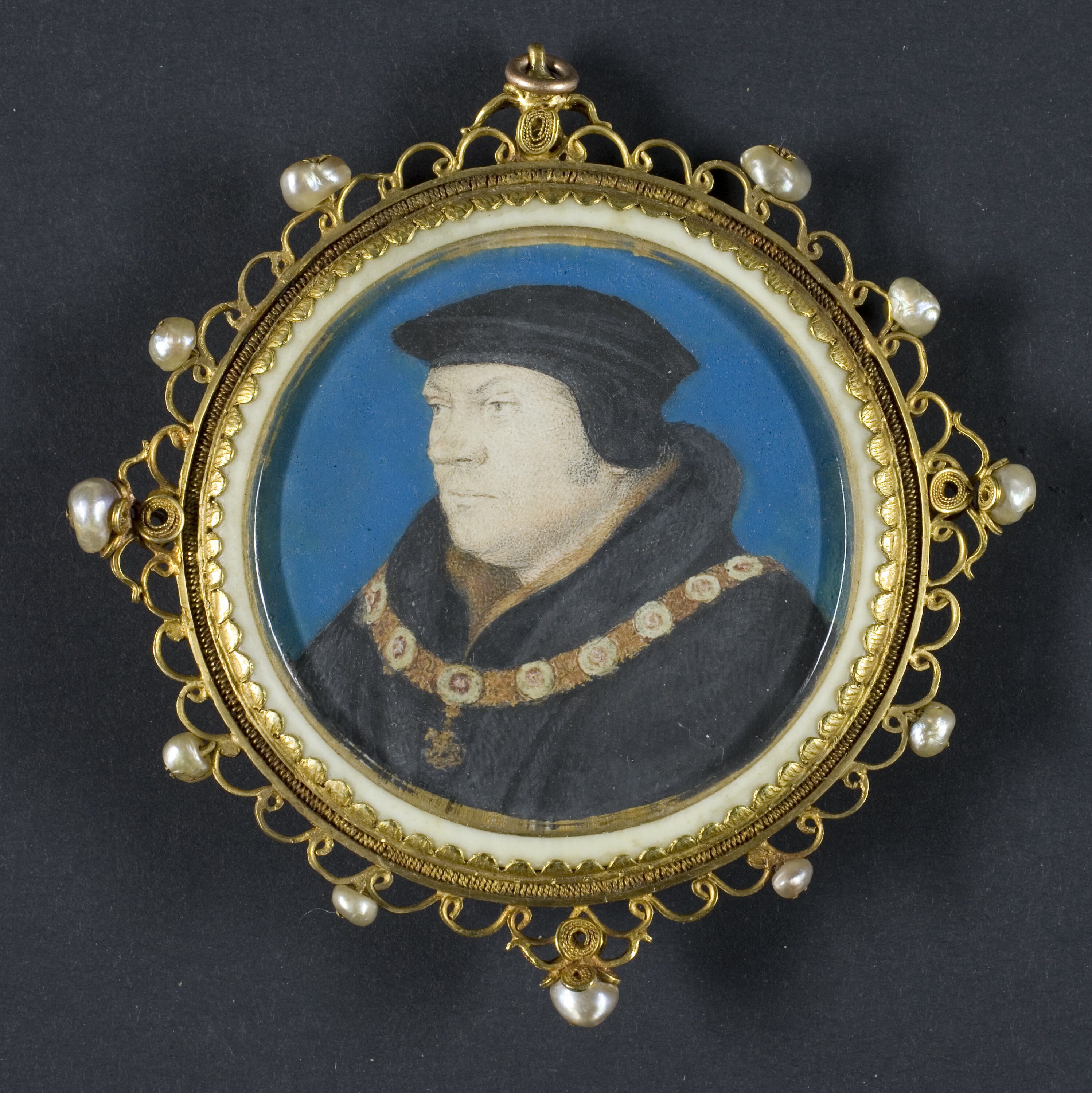
Sir Thomas Cromwell – Earl of Essex. Source Wikimedia
As a Viceregent of the church under God and the king, Lord Cromwell introduced in Parliament the Act of Extinguishing the Authority of the Bishop of Rome (the Pope). Bishops meet in Convocation to discuss from dawn till dusk about: the sacraments of the Church, their nature and number, which ceremonies are laudable, what is idolatry, who should be allowed to read the gospel, and in what language. “Confession is not a sacrament. Show me where Christ ordained it.”
To Cromwell, the king sees that an English church needs a Bible. A translated bible for all to read who can. They will see their own eyes that nowhere in the scriptures does it mention penances and popes and purgatory and cloisters and beads and blessed candles, or ceremonies and relics.
Cromwell is elevated to Garter knight by king Henry VIII

Coat of arms of Sir Henry Radclyffe, 2nd Earl of Sussex – Source Wikimedia
The Garter is Europe’s most ancient order of chivalry, the highest honor the king can bestow. To fill in a vacant stall, the king chooses Cromwell who, although a low born man, is not loyal to any great families, but only to the king. At the Garter ceremony at the St George’s chapel, Cromwell walks to the quire, head bare, supporters on each side, places a hand on the gospel and takes the oath. The blessing is read beseeching St George to guard Cromwell against the prosperities and adversities of this world.
Queen Jane give birth to a male heir, but fails to recover from the childbirth
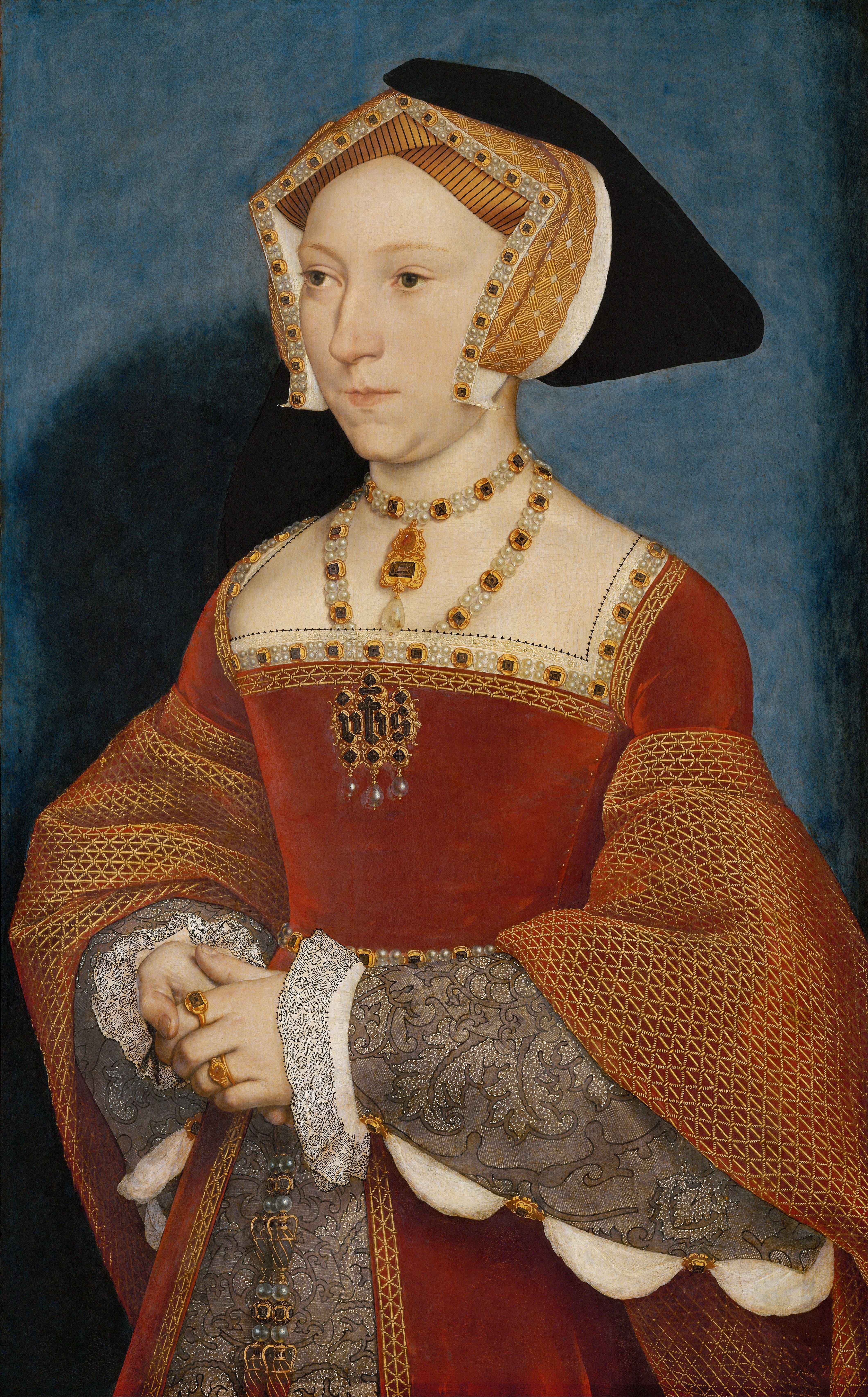
Jane Seymour – Source Wikimedia
Queen Jane Seymour is pregnant. There is a rustle from where she sits, through the room, through the court, through England and across the sea. At last, the news is public.
The queen’s child quickens. The parish churches ring their bells, cannons are fired. Butts of free wine trundle over the cobbles and even beggars join in crying, ‘God bless our queen Jane.’ As Jane let’s out her bodices and appears unlaced, she yearns for cherries and peas and quails. Her brother Edward Seymour is so certain of a prince, that he is walking around with his head swelling like a yeasted loaf. If she has a boy, the Seymour brothers will be promoted.
On September 16, Jane went to her chamber to rest and wait. The queen is two days and three nights in labor. The city worthies form a solemn procession to Paul’s to pray for her and people join them standing in the street and some kneeling. Some doubt the efficacy of prayer at such times. Why should God spare one woman and not another?
On October 12, she gave birth to a son. The entire country sing Te Deum. It was on St Edward’s Eve and the child will be named after the saint. It is a prince conceived in the most lawful matrimony…joyous and glad tidings. The whole nobility gallops to Hampton Court for the christening. The Duke of Suffolk says: Cromwell Well done! He is handing the same compliment to every man as if the whole of England had set seed.
Two days after the christening, the queen is reported fevered and nauseous. The queen weakens and is given the last rites. On October 24, the king goes to the queen’s bedchamber and take his last look. Her breathing labors. The doctors withdraw, their art and craft failed. What is a woman’s life? It is dew in April that falls on the grass.
Who will Lord Cromwell let the king marry next?
The Cromwell reformation in action: the dissolution of monasteries
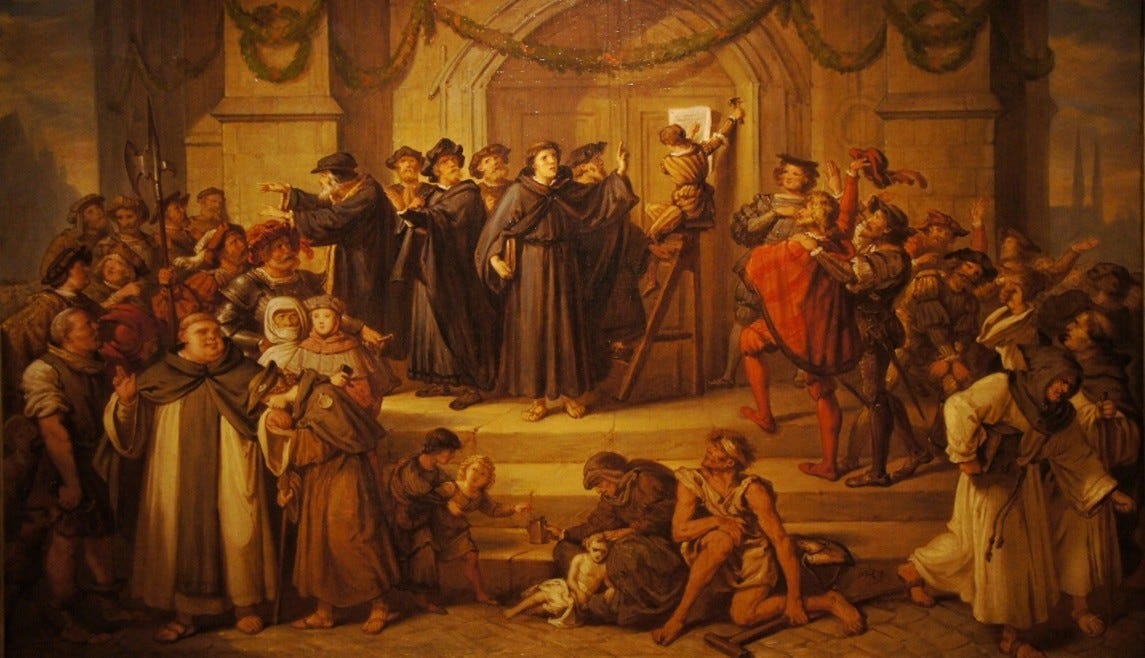
Illustration of the Reformation – Source Wikimedia
As the king’s Viceregent, Cromwell makes new ordinances for the church:
The English Bible: with this good book in hands, God speaks to you as father and mother spoke, and if you cannot read, others will read it for you. In this close, this familiar tongue.
The king never agrees that clergy may marry.
An end to pilgrimages
An end to the Angelus bell, which causes people to kneel in the fields.
No lights burning before statues or pictures
No more of the spangled red-lipped Virgin, who wears silver shoes when poor women go barefoot.
Becket’s shrine is to be closed: strip the precious metals and gems, weigh and value them and arrange transport to the king’s treasury. Then rebury the supposed saint in some obscure place.
o Few bones and a skull, which is believed to be that of Becket, a supposed saint. Cromwell ordered the chest to be shipped to his house
o Over the years, they attracted many pilgrims. Lead cross, crystal cross: they wrung out the pennies from the credulous and awed.
o Some say Jesus himself trod this ground.
o At St. George’s inn they have an impact of Christ’s foot. And for a fee you can trace around it and bring the paper home.
o They claim that after crucifixion, Joseph of Arimathea turned up with the Holy Grail in his baggage. He brought a relic from Mount Calvary itself, part of the hole in which the foot of the cross was placed. He planted his staff in the ground, from which a hawthorn flowered and continues to flower through the fat years and the lean ones.
o In a box there is a livid two-inch piece of gristle, which is the ear of Malchus, servant to Israel high priest, cut off by St Peter at the time of our Savior’s arrest.
The last of the monasteries will go down and the king will begin to found colleges and cathedrals in the stead, there will be devices for the poor relief and the defense of the realm, and a device for the unity of religion.
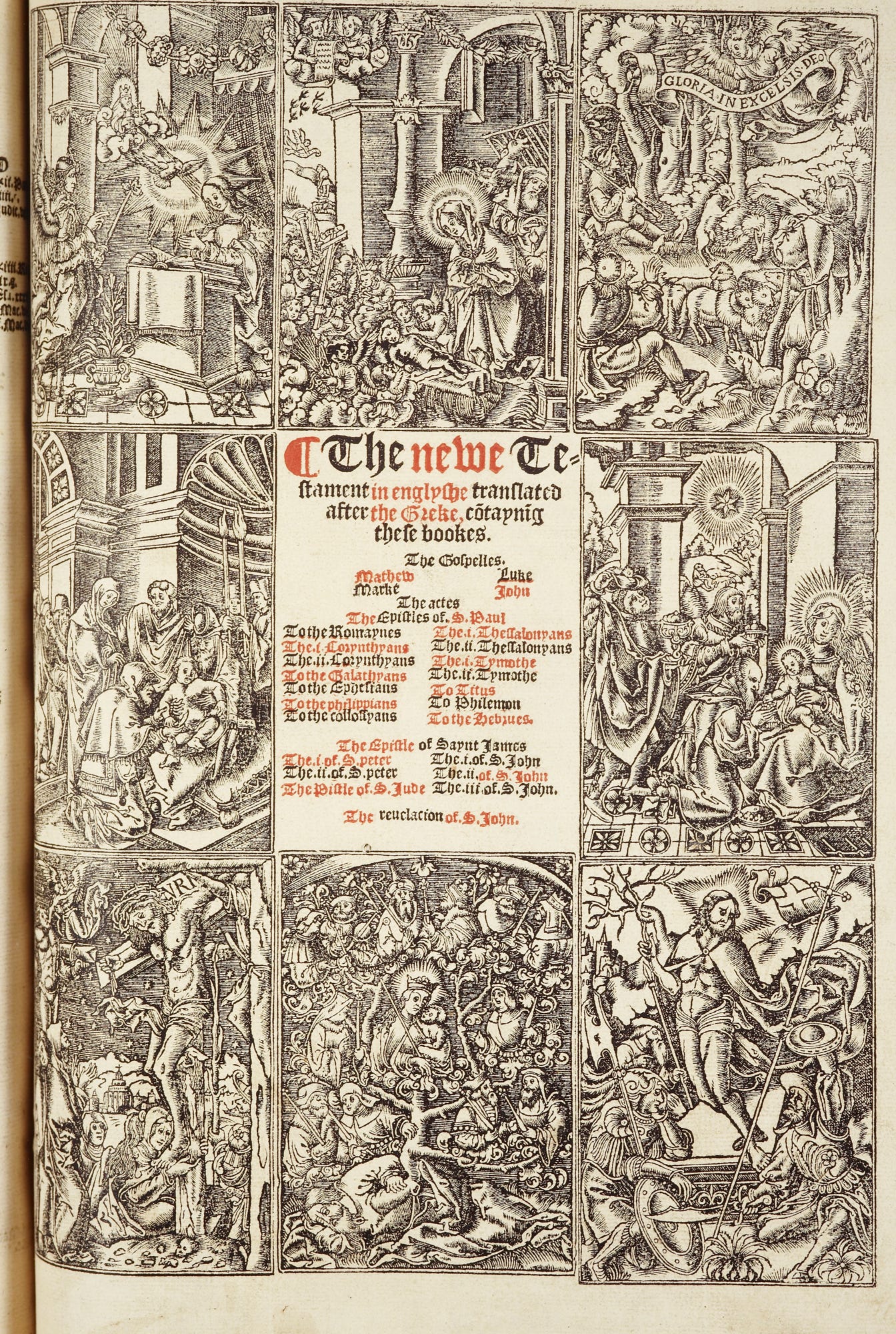
English Bible – Source British Library
Cromwell has devised a new order of precedence for the realm to be enacted by parliament. From now on, it is not your noble and ancient blood that will place you in the hierarchy. It is what job you do for the king.
The king’s viceregent, him, outranks the bench of bishops. The king’s secretary, a baron, outranks all barons.
He brings in a new way of counting people. Each parish must record baptisms and burials. This is to allow his countrymen to know who they are and where they come from. The nobility has heralds to tell them their lineage, but the butcher or ploughman, the shepherd or shoemaker’s apprentice might have grown in a wood like a toadstool.
His scheme for registration is badly taken, the people say, recording baptism will enable the king to tax us in our infancy. Recording weddings will allow him to impose a levy on every bride and groom. Cromwell is laying a plan to steal our firewood, chickens and spoons, impound millstone, tax cauldrons and stewpots, weight the beam, tamper the baker’s scale, fix liquid measures in his favor. The man is like a weasel who eats his own weight every day.
Power moves between France and Spain left English fretting
The king of France is proceeding to Nice where he will meet the Emperor of Spain. It seems to Henry the only way to break their amity is to choose a bride from one party and therefore insulting the other party. The emperor and the king of France proceeded to ratify a treaty. They meant this concord to last their lifetimes and they swore to make no agreement with England – marital, military. Who can deal with an excommunicated king?
Cromwell advised the king to wed the Princess of Cleves, Anna, from Germany
We need the alliance and from all he hears she is a gracious lady and will give the king more children.
The emperor of Spain dislikes the match. The French are disaffected, the Scots grizzling.
All the Duke of Wilhelm’s councilors are in accord. Wilhelm will give a thousand crowns with his sister. But it will remain on paper and there is no need to pay it. We are pleased to waive the due. The duke being young with great charges. My king prefers virtue and friendship to hard cash.
In the first week of September 1539, a contract of marriage is signed in Dusseldorf. Wilhelm’s envoys are on the road that same day to carry the papers to England.
When the delegation arrives from Germany, the king is up-country hunting and Cromwell receives them until the king returns. On 5 October the marriage articles are fully executed at Hampton Court paving the way for Anna to set out for England.
The ladies gather at the court to form a team of maids for the new queen. Every duke wants to place a daughter or a niece. Jane Rochford will head Anna’s privy chamber due to her experience.
On 26 November Anna leaves her home to travel toward Calais. She will have an escort of some 250 persons plus her ladies travelling with her.
King Henry is disappointed by his new bride
The king decides to ride to meet Anna on the way and surprise her because he wants to “nourish love”, to the disagreement of his councilors. When the king met her, he addressed her, but she did not turn, taking him for some Jolly Jankin dressed up for a festival. When people drew her attention, she flinched at the sight of the king, then recovered herself, dissimulated it, and exclaimed: My lord and my king and she made a smooth curtsey.
The king asks Cromwell: we have not had the papers about the Lorraine marriage, the pre-contract, it was stated that she will bring it, but she did not. I cannot proceed with marrying her until I’m sure she is clear of all past promises. When I encountered her, I had much ado to master myself. A great outlandish bonnet with wings sticking on either side of her head. And with her height and stiffness, she looked like the Cornhill Maypole. And she had painted her mouth, which if true is a filthy thing.
Cromwell explained to the delegation from Cleves that the king wants to delay until they furnish copies of all relevant documents. But the papers are an excuse. Henry dislikes Anna. To Cromwell France and the Emperor of Spain have sealed an alliance against England. Ireland and Scotland are against England. Unless England makes an alliance with Germany, they will be overrun by the enemies. Therefore, the king needs to make this marriage. England needs it.
But the king doubles down: have you inspected her shoes? She must be wearing raised soles. Tell her there is no ordure on the soil of England.
The council manages to sign an agreement with Cleves. And the court proceeded with the wedding ceremony. The king is bitter: if it were not for the fear of making a ruffle in the world, and driving Germany into the hands of the Emperor of Spain, I would not do this today. In a short and simple ceremony, they made their vows of holy matrimony. The king’s bishop says, Deo Gracias. Fanfares sound. Courtiers cry, Gaudete!
After the feast, the attention of the court is fixed on the king’s privy chamber. All Henry has to do is to climb aboard and make a Duke of York. But the king is naught, he complains: “I like her not well before, but now I like her much worse.” “Her breasts are slack and she has loose skin on her belly. It struck me to the heart. I have no appetite for the rest.”
To the opinion of the queen’s lady-in-waiting, nothing happened.
Talks are engaged for Henry to renounce his marriage to Anna. We could offer her a settlement and find something to placate her brother in Cleves. How to salvage your Majesty’s reputation and allow him to hold up his head before his fellow princes?
The councilors meet with Cromwell to tell him that the king believes he does not need the friendship from Cleves, then considering his intractable dislike of Anna, there is only one course, which is to work out how to free him.
The plan: find a pension for the lady and pay whatever Cleves demands for recompense. They will mention that since Anna had a pre-contract, the king had scruples that the lady might be unfree, and contracted to Lorraine. It weighed so heavy on the king’s mind that he determined to leave her intact, till the matter is resolved.
Cromwell is arrested, a bill of attainder condemns him to death, and he is executed by beheading
10 June 1540 at 3pm. He goes to meet with the council at the palace. And he said: shall we begin? And the Duke of Norfolk said: we do not sit down with traitors. I will tear your heart and stuff it into your mouth. The king’s halberdiers fill the room. The councilors fall on him. A wrestle ensues. They yelp, snarl, grunt, and flail. A shove here and there. They tug, kick, and haul. His is barged and buffeted. They have taken away his gold chain and Garter badge. William Kingston the London tower’s constable presents him a warrant and orders him to come with his guards. There is a boat waiting for him to take him to the tower. Since he is a gentleman, Christophe is assigned to him as a servant.
Charges against Cromwell:
King Henry is terrified of Cromwell, who has gone beyond what any servant or subject should be. Part of the charges include the story about how Cromwell wanted to marry Mary the king’s daughter, then thrust him aside and become king.
12 June 1540: First interrogation by the king’s councilors:
Cromwell was seen wearing a purple satin doublet. Who gave you the right to wear such a color? It is the preserve of royal persons and high dignitaries of the church. It was above your rank and station to dress as if you were an earl already. Cromwell responded that it was a gift from a foreign prince who did not know our rules.
Lutherans Letters have been discovered at Austin Friars highly prejudicial to your claims to be a loyal and quiet subject. Clear proof of treason.
The king has entrusted you with high office. You scant the procedures and put your signature to scrap paper and thousands are paid out to you without warrant.
You meddle with the king’s business, overrides his councilors, pull state policy out of your pocket.
You offered lady Mary a ring. Did you want to marry her? In 24 January 1536, when the king laid unconscious after his accident, all your concern was, where is Mary?
You were heard pronouncing treasonable words: if the king returns to Rome, you would take the field against him with your sword in hand.
You said you will bring a new doctrine in England and if you live one year or two, it shall not lie in the king’s power to resist.
You said you will kill Reginal Pole and not a drop of blood is shed. The king hates a man who breaks his word.
You said you would do the king of France a favor if he would do one for you.
Your household falls little short of three thousand: runaway apprentices, roisterers, ruffians
A letter from king Francois of France comes congratulating the king for Cromwell’s arrest. It transpired that Francois hinted an alliance with England and named his price: Cromwell’s head.
Cromwell writes to the king a letter to implore his mercy. He signs off: written with the quaking hand and most sorrowful heart of your most sorrowful subject and most humble servant and prisoner, this Saturday at your Tower of London.
No answer.
He knew the archbishop will press for heresy charges, which mean burning.
He can also be charged for treason. Treason can be construed from any scrap of paper if the will is there. A syllable will do it. The power is in the hands of the reader, not the writer.
Within nine days of his arrest, they have put together enough matter against him to bring a bill of attainder into Parliament. The bill of attainder had three readings, which at the third reading he was a dead man by law.
If the king prefers to punish him for heresy, he will die by fire. If treason he is to be cut up alive.
Cromwell write a second letter to the king. “To the king my most gracious sovereign lord his royal majesty. I cry for mercy. Wednesday the last day of June. With heavy heart and trembling hand.
But no answer from the king again.
On 27 July, all he gets is mercy by the king to die by the axe. While the king prepares to wed a new bride, Katherine Howard, Cromwell reads Erasmus’s Preparation unto Death to prepare for his final moments.
On 28 July after 48 days of prison, Cromwell is brought to the scaffold. With trembling, he stepped on it to face the executioner. The man holds out his palm and Cromwell drops his fee into it and says to the headsman: Do not be afraid to strike. You will not help me, or yourself, by hesitating. The man kneeled to ask for forgiveness and said: forgive me what I must do. It is my office and my duty. I have this cloth. Will you cover your face?
My lord, you must kneel. When you are ready, repose your head upon this block.
Cromwell kneels and makes his prayers and eases himself to die.
The headsman strikes. The pain is acute, a raw stinging, a ripping, a throb.
Deeds of blood. Kings’ game.
Who is Thomas Cromwell? The Commoner who rose to become the second man of England
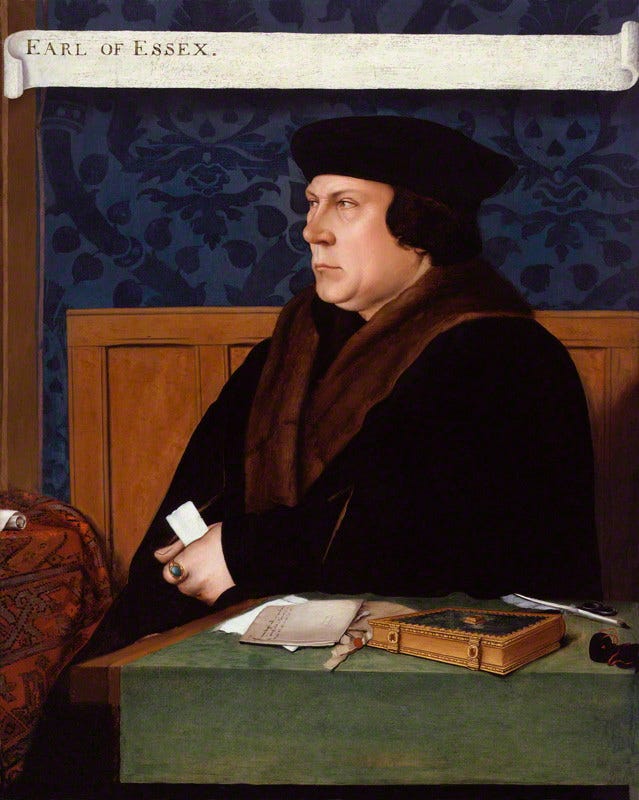
Thomas Cromwell – Source Wikimedia
Cromwell is now 50 years old. Small eyes and thicket body. And he calls home many places: his city house at Austin Friars or at Whitehall with the king.
He rises at five, says his prayers, conduct personal hygiene and breakfasts.
By 6 o’clock he begins work meeting with petitioners and takes the Master Secretary barge to the mint and armories at the Tower of London
He is the king’s deputy in the affairs of the church; he has license to enquire into any department of government or the royal household.
He carries in his head the statutes of England, the psalms and the words of prophets, the kings accounts books, and the lineage, acreage and income of every person of substance in England.
He is famous for his memory and the king likes to test it, by asking him for details of obscure disputes from 20 years back. The only things he cannot remember are the things he never knew.
His chief duty is to get the king new wives and dispose of the old.
His days are long and arduous, packed with laws to be drafted and ambassadors to beguile.
He works by candlelight through summer dusks and winter sunsets when it is dark by 3:30.
He often sleeps in a chamber near the king and Henry wakes him in the middle of the night and asks questions about treasury receipts or asks him to interpret his dreams.
As a widow sometimes he thinks he would like to marry but no woman would tolerate his lifestyle
He is the devil in guise of a knave. He wears a hat and under his horns.
Reflection & Insights
Ambition brings reward, but keep your ambition in check and hedge your bets
How Thomas Cromwell, a low-born son of some dubious blacksmith and shearsman, rose to the power of England is the question on all the lips over Europe. From a mere member of the British Parliament, the following ranks illustrate his ascension by increasing order of importance:
1. Royal Councilor (Privy Council)
2. Master of the Jewel House
3. Secretary to the King / Principal Secretary
4. Master of the Rolls
5. Vicegerent in Spirituals (Henry VIII’s deputy over the Church)
6. Chancellor of the Exchequer
7. Lord Privy Seal
8. Baron Cromwell of Wimbledon
9. Knight of the Order of the Garter
10. Earl of Essex (highest title)
As the Viceregent in Spirituals and the king’s deputy over the church, he saw himself as the third high ranking member of England: God, then Henry VIII the king of England, and then the king’s deputy Thomas Cromwell. No doubt his ambition paid off, but it grew to the point where even the king feared him. Cromwell failed to hedge his bets because his only friend and main ally was the king. For the interest of England, he enticed the king to marry into Cleves the German ruling family so England could seal an alliance against France and Spain. Unfortunately, the king did not like his new bride the Princess of Cleves, Anna, which triggered his downfall. Because he lacked powerful allies to back him, it led to his arrest and execution.
So, ambition in life pays off, but keep it in check and always hedge your bets.
We are fortunate to be blessed by technology and photography, but we take it for granted.
Nowadays, we take for granted technology and photography, which makes taking a picture the most banal act in life. Consider the following section to sense how painful it used to be to get a new portrait:
“The king is getting a new portrait by the painter Hans Holbein. He eases his shoulder, flexes his knees. Portrait-taking freezes muscles, makes feet hard to manage, makes elbows feel as if they belong to someone else.”
Today, taking a picture requires only one click! We can even record videos. We take it for granted. I contend that in the 1500s if they had cameras, it could have saved Cromwell’s life. The king would have seen the Princess of Cleves’s picture and made his decision not to marry her. But he relied on an exaggerated painting and praises from people for her beauty, and pressure from Cromwell to marry into the German rulers to seal an alliance with Germany.
Character Growth Takeaways
Wisdom: [Scattered wisdom from the book to ponder over]

Having killed your foe at the gate, would you slaughter him again at the door? I neglect no precaution, the times being what they are, a man may enter the gate as your friend and change sides while he crosses the courtyard. (That’s why we implement zero trust policy in technology today!)
Cardinal Wolsey always said, work out what people want, and you might be able to offer it; it is not always what you think, and may be cheap to supply.
You need to write everything down. Distrust yourself. Human memory is fallible.
I have been told there is a curse. Don’t repeat it. Repetition is the only force it has.
You must make no signal, and certainly never in a woman’s presence. They see plenty that men miss.
Understand princes’ mindset
A prince cannot be impeded by temporal distinctions: past, present, future. Nor can he excuse the past for being over and done. The past always trickling under the soil a slow leak you can’t trace. Often, meaning is only revealed retrospectively…
As for the future, the king’s desires move swiftly and the law must run to keep up. … “Bear in mind his Majesty’s remarkable foresight, at the trial of the late queen. He knew the sentence before the verdict was in.” “The executioner was already on the sea.”
King Henry says: “This is my wish,” it becomes so dear and familiar a wish that he thinks he has always had it. He names his need, and he wants it supplied.
When fire breaks out you run to the rescue with a bucket. But it’s not the smoke and flames that kill you, it’s the bricks and timbers that fly out when the chimney blows up.
Most of us do wrong, if we know it or not. Enquire into any man’s conduct, and I am sure some charge will lie.
If you marvel at your good fortune, you should marvel in secret: never let people see you.
Marriages work better than wars. If you want a kingdom, write a poem, pick some flowers, put on your bonnet and go wooing.
If war is a craft, peace is a consummate and blessed art.
At a traitor’s demise, one must smile.
He who climbs higher than he should, falls lower than he would.
Try everything. Discard no possibility. Keep all channels open.
Some of The Seven Wise Men (of Greece) sayings: Moderation in all things, nothing to excess. Know yourself. Know your opportunity. Look ahead. Don’t try the impossible.
Bias of Priene was one of the Seven Wise Men of ancient Greece ( 6th century BCE): Most men are bad. (i.e. easily corruptible by power. Crowds follow self-interest. Laws matter more than personalities.)
Walls have eyes and ears.
There is no fortress that cannot be undermine or betrayed from within.
It is important a child’s first tutor should be gentle and like a mother, so the child is not afraid of making mistakes.
What you say by night haunts you by day, and what you refuse by day will return by night.
Right is what you can get away with, and wrong is what they whip you for…I’m sure life will instruct you by and by, if your father’s precept can’t get it through your skull.
Giants (princes) are lonely; they don’t know any other giants. Sometimes they want a boy like Jack to amuse them, to run errands and teach them songs.
Conquer your awe then, grab your chance, if you know how to talk to a giant it works like a spell. The monster becomes your creature. He thinks you serve him, but in fact you serve yourself.
Life is short and art is long, the opportunity sudden and fleeting: experiment dangerous, judgement difficult. (paraphrasing Hippocrates: ars longa, vita brevis)
Daily, one must practice the courtier’s art, and nightly, the art of governance: and never get it right.
Sometimes it is years before we can see who are the heroes in an affair and who are the victims.
“You leave a trail of bread and the ravens eat it. You drop cherry stones, and they grow into trees.
Sometimes Pride and Folly speak, as if they were persons: Humblewise and Good Council answer them, in verse.
Versions multiply as soon as a tale is told.
Friendship swears it will stand and never alter, but when the weather changes men change their coat.
Not every man has a price in money: some will betray you for a kind word from a great man, others will foreswear your company because they see you limp, or lose your footing, or hesitate once in a while.
Undertake no course without deep thought: but learn to think very fast.
Anabaptists: will take no oaths. They will serve no kings. They deny the commonwealth their labor, the magistrate their obedience, the child his book. They love ignorance. They say we live in the last days, so why learn anything? Why tend crops, why store grain: there is no need of a harvest.
Every absent day he loses advantage. If kings do not see you, they forget you. Even though nothing in the realm is done without you, kings think they do it all themselves.
Our rulers count up our derelictions. They may say nothing, but they keep a secret book.
It is not written that great men shall be happy men. It is nowhere recorded that the rewards of public office include a quiet mind.
Be generous especially to children, as it stores up goodwill for the future.
Give a man a Tartar hat and he will try it on, whether he has a mirror or not.
Manuals of advice tells us you should fear weak men more than strong men. But we are all weak in the presence of the king.
Sometimes transactions have holes in them. Sometimes columns fail to tally. To mend the matter, it is possible to be ingenious, without being dishonest.
There are books which say, contemplate your final hour: live every day as if, that night, you go not to your bed but to your bier. The divines recommend this not just for the prisoner or invalid, but for the man in his pride and pomp, prosperity and health: for the merchant on the Rialto, for the governor in the senate.
From the volumes Mirrors for Princes: Wise councilor must always prepare for his fall. He should embrace death as a privilege.
Truth is the daughter of time.
I wish time bred like rabbits. We would arrive at reckoning sooner.
Princes hate those to whom they have incurred debts.
It is not only kings who cannot be grateful. The fortunes he has made, the patronage he has dispensed: these count against him now, because favors that cannot be repaid eat away at the soul. Men scorn to live under obligation, they would rather be perjurers, and sell their friends.
Erasmus: no man is to be despaired of, so long as the breath is in him.
Frightening people is cheap but it doesn’t get the best results. If you want a prisoner to yield you everything, offer him hope.
· It is not wrong to speak your mind. On selected occasions. They make it painful for you. But you must do it.
· The book of henry excerpts:
o never enter into a contest of wills with the king.
o Ask him questions to which you know the answers. Do not ask him the other sort of questions.
o Keep your eyes clear. Remember he is a king first and a man second. This is where Anne went wrong. She began to think he was only a man.
o Do not turn your back on the king. This is not just a matter of protocol.
o The king is like the shrike or butcher bird, who sings in imitation of harmless seed-eater to lure his prey, then impales it on a thorn and digests it at his leisure.
You leave one singing bird in the cage to lure another home.
He sought the company of sober elders, whose table talk was refined and who would give away their wisdom to young foreigners who admired them. One who asks questions, and look impressed by the replies. Such dignitaries always need a repository for their secrets.
Temperance: [Lesson about restraint, balance, humility]

The following fact illustrates some level of temperance and self-control
Do you think only weak people obey the law, because it terrifies them? Do you imagine only weak people do their duty, because they dare not do other? In obedience, there is strength and tranquility.
Be calm: not like a hasty gardener, who tugs out the weed but leaves the root in the ground.
The purpose of ghost stories is extorsion, generally: to frighten poor folk into paying for prayer charms to protect them.
Bargain technique: they are asking for an outrageous sum with Mary (to marry the king’s daughter): the king should offer two-thirds.
Always a good rule of thumb: knock off the other party’s ask by a third, see what answer you get.
To be a councilor: to learn when to speak and when to keep silence, when I should look and when I should not.
There is a time to be silent. There is a time to talk for your life. He saw Henry’s need and he filled it., but you must never let a prince know he needs you; he does not like to think he has incurred a debt to a subject.
Obedience binds us together; all practice it, under God. It is the condition of our living as humans…Even beasts defer to the lion: beasts show wisdom and policy thereby.
Courage: [Lesson about strength, risk, or standing up]

This passage depicts some sheer courage:
In Antwerp Cromwell made a bet and picked a snake. His friend slowly counted to 20 and the startled snake recoiled and bit him. And he collected his winnings and got ready to die. But he never died. Since he was bit, something had entered his blood, and he could lie coiled till needed.
Justice: [Lesson about fairness, integrity, or responsibility]

An act of justice from the book:
Cromwell often took a stand in Parliament to defend the cause of the poor and needy in England.
Memorable Quotes & Phrases
Memorable Quotes from the Book:
with the ease of a man skipping over puddles
Like a hare he seems alert to what’s happening behind him, half-knowing, half-guessing, always on edge.
For this is England, a happy country, a land of miracles, where stones underfoot are nuggets of gold and the brooks flow claret.
With this king one needs a reversible garment. One never knows, it is dying or dancing.
You do right to draw it to my attention. I will amend.
The midmorning scent of lavender ripples into the air like bubbles of laughter.
At the Frescobaldi house: we used to stuff little ravioli with minced pork and sprinkle them with sugar. How typical of bankers. More money than taste.
He admires these speculative worlds, that grow up in the crevices between truths.
For Anne Boleyn’s coronation, I filled the streets with speaking saints, with falcons the height of men. I unspooled a mile of blue like a path to Heaven, from the abbey door to the coronation chair.
I must find out what ails the women at court. I have seen it. There is a story beneath the story. They have secrets not yielded yet.
If God made me a crewman in his ship of fools, how can I murder the drunken captain, and steer it to port and not be wrecked.
Nothing they love more than to see me clawing my way through thorns.
Lions sometimes eat their cubs. Is it any wonder?
The claimant of Henry Tudor’s crown must die: not in some hole-and-corner scuffle, some stabbing or smothering, but in daylight, on Tower Hill, by the axe
Dog eat dog, but no man eats England.
A man who cannot control his wife is not fit to serve his country.
It is for the accuser to demonstrate guilt.
It has been debated in every students’ hall, bawled out in every pulpit, and jangled in every alehouse.
Let us ask God to bless our repast and our new amity, and I pray it may never falter.
Words are needless, for at a so sweet a flower, it is enough to gaze.
If Cromwell can pacify Lady Mary, I expect soon to see him descend to Hell and fetch up Satan to shake hands with Gabriel.
My friend, let this be a new area of concord.
The light falters. Nestling birds rustle under the eaves. Vespers are sung Compline, the offices of night.
He speculates on what maggots of ambition might be burrowing into the mind of the Duke of Norfolk.
He will get it by fair mean or foul.
Asclepius, the doctor’s god, learned his art from a snake. (His daughter is Panacea)
Shivering like a greyhound whelp, nothing but ribs and eyes: bewildered, bereft, never complaining once.
To kisses and illicit embraces, to promises and sighs, and so to feather bed.
Poems written by foolish lovers: “they will be giggled at by whores, and used to wipe their arses.”
Cromwell keeps his promises for good or ill.
They will scour out privies for a living and haul shit in carts by the light of the moon.
In the golden age the earth yielded all we require, but now we must dig for it, quarry it, blast it, we must drive the world, we must gear and grind it, roll and hammer and pulp it.
Hunters live longer than other men; they sweat hard and stay lean; when they fall into bed at night, they are tired beyond all temptation; and when they die, they go to Heaven.
I will not surrender this house. Not this year, nor next, nor any year this side of Heaven.
All Stanleys are turncoats, they will watch to see which way the battle goes before they join it.
I will not say I want truth unadorned. I will not make that claim. I have my share of human vanity.
The first time I came into Henry’s presence, it was like the Fox and the Lion. I trembled at the sight. But the second time, I crept a bit nearer and had a good look. And what did I see? I saw solitude. And like the Fox to Lion, I stepped right up and parleyed with him, and never looked back.
He labors day and night for his prince’s increase. Niccolò says when a prince has such a servant, he should treat him with respect and kindness, advance him to honors and promote his fortune.
Curses with me have none effect, because I give them no credit. They may curse till they combust.
An apple? It was by eating of an apple that sin came into the world.
The common people, outside the gate, you must show them you have the king’s favor. They only understand what they see plain. If you put on no show, they take you for nothing.
It was there – in Venice, in Rome – that he learned to be sly and sidelong, always vigilant, always ready to take offence or pretend it, ready also to back off with a soft word when the odds were against him. He learned to walk by night, to whisper, to bow to magnificoes; to step forward at the right time, with the right hint or suggestion made in a low voice, so magnifico can take credit.
Young men claim they want change, they want freedom, but the truth is freedom just confuses them and change makes them quake. Set them on the open with a purse and a fair wind, and before they’ve gone a mile, they are crying for a master: they must be indentured, they must be in bond, they must have someone to obey.
Thomas More’s epitaph (wrote by himself): Terrible to heretics.
But think of Ruth in the bible. She adapted herself…you mistake those times for those. We live in the last days. They at the dawn of the world.
In our forefathers’ time a nobleman’s life was worth six times that of a man who followed the plough. The rich man can slaughter as he pleases, if his pocket can bear the fines, but the poor man cannot afford one murder across his lifetime.
It goes into the big box of secrets, where an ogre squats on the lid.
What is a woman’s life? She knows she may not come alive out of that bloody chamber where she gives birth. Before her lying-in, if she is prudent, she settles her affairs. If she dies, she will be lamented and forgotten. If the child dies, she will be blamed. If she lives, she must hide her wounds. Her injuries are secret. It is Eve’s sin, the long continuing punishment it incurred, that tears at her from the inside and sheds her.
Tough the Hydra was never a fair opponent. It lurked in caves, and could only be killed in daylight.
Short of taking out his privy member and waiving it, there were no more he could do to establish his presence (Surrey, the son of the duke of Norfolk)
Mabel Brigge: Every lent neighbors pay her to fast for them. For a fee, she will fast for a godly purpose, like the recovery of a sick child. But she will also make a black fast that aims to waste its victim.
To Cromwell king Henry is the only prince. The mirror and the light of other kings.
Henry levered himself upright; his eyes turned, and took in the scene. Alive again, he looked at England. He saw her dark valleys and green fields, her broad silver waters, her nightingale woods. He saw her just laws, her free people, he heard their prayers.
Young fowl deboned and baked into what English call Lombard pastries, though he never met a Lombard who knew aught of them. LOL
He dropped his napkin, like someone discarding a flag of truce.
I think it was not by a serpent, but by paper and ink that evil came into the world.
The grandees of England claim descent from emperors and angels. To them (pretendants to the throne), Henry Tudor is the son of Welsh horse-thieves: a parvenu, a usurper, a man to whom oaths may be broken.
I can see why good men want to believe that Christ is coming. We want His justice, when justice seems to be long delayed.
When he was a little lad, he used to think that boatmen spat for luck. But his uncle John told him that they do it to alert their gods, who look up through the tides at the underside of vessels, and see the leaks not yet sprung.
Thomas Cromwell has nothing to say against inheritance. Already the name of his grandson Henry is beginning to appear on title deeds. And the child as yet has no teeth.
If he were here with us today, he would be shivering and hastening home to a good fire and spiced wine.
Vocabulary Builder
Words, phrases, and expressions from the book to season and spice up your language
Walk a knife’s edge: Operating in a dangerous, precarious, or highly critical situation where two very different, often extreme, results are possible
The scales falling from his eyes: to suddenly realize the truth about something after being deceived, mistaken, or spiritually blind, often involving a profound, life-changing enlightenment
To be the cock of the walk.
You are making me pick my ways through thorns
I can get him by way of spoils
He picks his way on stilts: Move carefully above the mess (literally and socially)
I see you are agog with news: highly excited, eager to share news
Who Should Read This?
People advising presidents, rulers, or leaders
Decision and policy makers
Everyone who wants to sharpen his/her skills on power dynamics